Saturday, October 26, 2013

Blog Post #10

Randy Pausch

Randy Pausch was a professor at Carnegie Mellon University who battled pancreatic cancer and is famously known for his inspirational lecture The Last Lecture.

"What can we learn about teaching and learning from Randy Pausch?" -Dr. Strange

Where to begin? Randy Pausch discussed many topics in his lecture that will influence me as a future professional educator. Mr. Pausch stated in his lecture, "We cannot change the cards we are dealt, just how we play the hand." When he stated this, I immediately thought of scenarios in my future classroom that this could apply to: What if I teach in an area where funds are lacking and the tools I would like to use in my classroom are limited? What if I end up with a class of students that are behaviorally difficult to teach? From this segment I learned that it is important to make the most out of each and every opportunity and situation I am given in my career as a professional educator. I need to look at every "situation" as an "opportunity" to excel beyond my imagination. My goal in my future classroom is to impact and influence each and every student I teach regardless of the "cards I am dealt."

"When you are 8 years old and watching TV and a man is landing on the moon, anything is possible." -Randy Pausch

When students share their dreams of what they want to become, it is important to encourage their dreams, not discourage them. Students will share with me all sorts of dreams and aspirations. From this segment I learned that regardless of my students' hopes and dreams, I encourage my students to achieve whatever they wish, and let them know that I believe in their ability to accomplish whatever they set their mind to. I want to teach my students that anything is possible if they are dedicated and devoted to their passion.

Randy Pausch mentioned a statement he heard throughout his career, "Experience is what you get when you didn't get what you wanted." This statement is something so valuable I want to convey to my future students. When solving a math problem, you might try five or so ways to try and solve it before you actually get the answer right. Once you finally get the answer right, you now know all the ways NOT to solve that problem. This same scenario also applies to daily life. Not only is it important to teach my students the content/standards required by the state, it is important to prepare my students for life outside of my classroom.

Randy Paush learned from John Snoddy to give people time to impress you. This statement will be crucial in my future classroom. Just because Andy cuts up in class the first day of school does not mean I should label him as a "disruptive" student. Just because Sara made a 50 on her first spelling test does not mean she will fail the 3rd grade. Just because the teacher down the hall does not agree with your frequent use of technology in your classroom does not mean that teacher won't eventually change their thoughts on your actions. From this segment I learned not to make quick assumptions. I learned to give everyone a chance to try again, try harder, and/or to change their perspective.

Something very valuable I learned from Randy Pausch's lecture is that giving students a bar to to meet is doing them a disservice. If you do not set a bar, students will rise far beyond your expectations. If I tell my students that this, this, and this has to be done for this project to receive an "A," more than likely, my students will not try to excel beyond my expectations. If I give my students more of a voice/choice and I merely act as a guide throughout the project, my students will have more of an opportunity to rise far beyond my expectations. A student will never know how much they can achieve unless they are given the opportunity and/or freedom to hold the reigns.

From Mr. Pausch's lecture, I learned to aspire to break the mold. This is something important for me, the future educator, and my students to aspire to do. I want to break the mold of a burp-back education. I will encourage my students not to be afraid to break the mold. Breaking the mold will mean stepping out of my comfort zone and taking a chance for the betterment of not only my students, but other educators as well. In order to encourage my students to break the mold, I will have to exhibit that drive and desire to break the mold as well.

Something else I learned about teaching and learning from Randy Pausch is to be self-reflective and actually listen to feedback. In order to be an effective teacher, I have to be able to accurately assess my teaching strategies and listen to and apply the feedback I receive from my boss, fellow teachers, students, and even parents. As a future educator, I will be constantly seeking out ways to improve my abilities as an elementary school teacher.

Randy Pausch was an advocate of project-based learning and letting kids have fun while learning something hard. How boring is it to learn difficult content in a non-engaging classroom setting? I can recall many of those boring "learning" scenarios from my experiences in grade school. When I become an elementary teacher, I have to make everything fun! What is the best way to make a lesson fun? Create an engaging environment and apply the material/content to real life.

Respecting authority while questioning it is something very valuable I learned about teaching and learning from Randy Pausch. Not only does this statement apply to me, it applies to my students as well. In order to be an effective teacher, I, at all times, have to take actions that are in the best interest of my students, even if that means questioning authority along the way. Questioning authority will be difficult and probably something I will not look forward to doing, but as long as I do it in a respectable manner, I know I will be doing my job as a professional educator. I want my students to feel comfortable challenging me with questions and concerns because not only will they be learning, I will be learning too.

Randy Pausch's "The Last Lecture" is a very informative, encouraging, and inspirational lecture that all aspiring educators should watch/listen to. From this lecture I will take many ideas, thoughts, and strategies and apply them to my pedagogy in my future classroom.


Sunday, October 20, 2013

Blog Post #9

Back to the Future

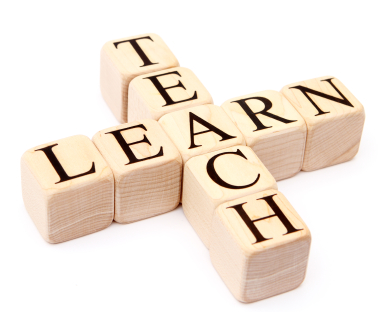
Learning word graphic


After listening to Brian Crosby’s TED Talk, we learned very valuable information that we need to consider over the course of our entire teaching career.

First, Mr. Crosby speaks about his 4th grade class. He mentions that 90% of the students in his class are second language learners, students of poverty, and considered to be “at risk.” Mr. Crosby mentions that it is important that these students not have a narrowed curriculum just because of their background information. Our group found this situation very enlightening. In our future teaching career, we are fully aware that we will have students from all walks of life. We will have students that barely speak English, that are on different academic levels, live in a low-income family, live in a high-income family, etc. It is very important to give all students the same opportunity to learn, regardless of who or what they come from. Why give students a narrowed curriculum? Why not give students an opportunity to excel far beyond what they imagined? As aspiring educators, this segment of the video really made us realize how conscious we will have to be of giving all students the exact same opportunity to learn. It is very important not to apply stereotypes in the classroom. In our Classroom Assessment course, a course required for elementary education majors at The University of South Alabama, we learned about the “self-fulfilling prophecy” in regards to students. If a teacher treats a student as though he or she will do poorly, and doesn’t expect much from that student in general, then over the course of their education that student will morph into exactly what that teacher thinks of him or her. And that is not fair to the student by any stretch of the imagination! If we treat our students, all of them, with respect and hold them all to the same high standard, we will be pleasantly surprised by the results.

Mr. Crosby then speaks about a few science projects his class had completed. He mentioned that his class used their science book “a little bit” and that the projects, of course, aligned with the standards that Mr. Crosby had to cover. Our group learned a lot from that one statement. Classroom textbooks can be a great tool, but do not necessarily have to be used at all times, or used as the only learning tool while covering required state standards. Learning goes far beyond a classroom textbook! As future educators, we have to be creative in order to provide hands-on and engaging activities and projects that the students can relate to and that motivates the student. Having students read the text from a classroom textbook, complete a worksheet on the material, and then the teacher administering a test on the material is not an effective way of teaching. As stated earlier, learning stems far beyond a classroom textbook! From this video, we learned that giving students opportunities to collaborate with other students, research, and think deeply in order to solve a problem or answer a driving question is a much more effective way of teaching. This portion of the video impacted our group greatly. It made us realize that it is okay to step outside of the box and be creative with our pedagogy. Here is a well respected figure in the education world, basically giving us the go ahead to teach our students the way they deserve to be taught. Textbooks should merely be tools, not what the entire course is based upon.

Something else important we learned from Brian Crosby’s TED Talk is that getting an education is not a race to the finish line. One day, Brian Crosby was informed that he had a new student, Celeste, on his class role, but that he would probably never even see Celeste. He learned that Celeste was undergoing cancer treatments for Leukemia. Since her immune system was so low, she could not attend class for the fear of getting even more sick. Celeste had to be enrolled in a class in order to qualify for home studies. The idea that Mr. Crosby would never interact with Celeste in his classroom did not sit well with him, so he decided that he would, in fact, involve her daily in his classroom. Mr. Crosby would Skype/video chat Celeste so she could listen to lessons and also feel apart of the class. When Celeste was diagnosed with Leukemia, her life was probably turned upside down. Any sense of normalcy, such as being a member of a classroom, probably meant the absolute world to her while going through something so tragic. And let’s face it, unless Celeste’s parents were professional educators, Mr. Crosby was probably a more suitable teacher for Celeste. Celeste’s situation was very unfortunate, but it is still so important that she gets the same opportunities to learn, regardless of her health status. We learned from this video that an education should not be a race to the finish line, wherever and whatever that finish line may be. The process of learning is not something to be rushed through. An education should be thoroughly taught and available to all students, regardless of their health status or limitations. The world needs more teachers like Mr. Crosby. He went above and beyond the call of duty to make sure this girl got the education she deserved. That level of compassion is something that every teacher ought to demonstrate on a daily basis.
Authors: Brylyn Cowling and Stephanie Faison

Blended Learning

Learn/Teach


Paul Anderson teaches AP Biology in Montana, and he taught us a very interesting strategy! He has a mnemonic device that he uses, called QUIVERS. It breaks down into Question (hook), Investigation, Video, Elaboration, Review, and Summary Quiz. Starting off the lesson with a question, or hook, that draws the students in is a great way to engage them. Then the students are instructed to investigate. There are elements of project based learning throughout Mr. Anderson’s strategy that we think will be very useful when becoming elementary school teachers. Then, the investigation is halted and a video is shown. This breaks up the traditional monotony of the classroom. Kids love watching videos. Next in this sequence is elaboration. Anderson provides resources and direction, and allows the students the room to find the answer to his question. This seems to us a bit like “Partnering,” the pedagogy referred to by Marc Prensky. The roles of the teacher and student should be redefined. The student should be placed in charge of their learning, while the teacher acts as a guide. When students feel that they are comfortable with the material, Mr. Anderson has them review with him. This is an example of partnering again. Letting the students do their own research gives Mr. Anderson the opportunity to come up with really deep questions. He feels, and we agree, that if you can’t explain what you’ve learned to someone else, then you don’t know it as well as you thought you did. If the student hasn’t adequately learned the material, Mr. Anderson sends them back to the drawing board to continue digging into the subject. Once he is comfortable with his students’ levels of comprehension, he gives a summary quiz on the material. To our minds, Mr. Anderson has taken some of the best aspects of project based learning and partnering and combined them into a new pedagogy. Utilizing different strategies helps him to manage his classroom, and maximize learning.
Authors: Brylyn Cowling and Stephanie Faison

Making Thinking Visible

Headline

Mark Church, author of “Making Thinking Visible,” uses a research based method to teach students how to think. In his class, he had his students watch a video, and then create a headline about their opinion on the overall theme of the project. His thought process behind this was to capture the students current mindset about the lesson. And at the end of the lesson, he is going to ask them if their “headline” is still the same, and if it’s not, what has it changed to? This is a critical skill for students to have. Reflecting on your opinion, learning something new, and then changing your opinion is a valuable skill necessary for the real world, and also a skill that we think is becoming more and more scarce. Too many people are close-minded in their thoughts. They have an opinion of something, and no matter how much new data emerges, they will not change their minds. We have to teach children that it is okay to change your mind! Opinions are not set in stone. We think that Mr. Church’s lesson here is an amazing thing to teach to children. Being open to new things and always updating your perspective will make you a better person. And as teachers, don’t we owe it to our students to teach them to be the absolute best person they can be?
Authors: Brylyn Cowling and Stephanie Faison

All in All

Everyday, we learn something new that will help us in our future teaching careers. Learning is a never-ending process, and as we progress through our own education, we are realizing that in order to be effective educators, we must be constant learners. Dr. Strange even said that after 50 years, he does not always have the answers to every question, and is still learning himself. Watching videos like these, we get to learn from the people who are at the crest of the wave that is sweeping through the education world. We both know that when we walk out of The University of South Alabama as graduates, we will not be entirely prepared for the road ahead. But as long as we continue to learn from influential educators, use the things we’ve learned, remain constant learners, and do the very best we can from the moment we walk into our classrooms, we will be successful.
Authors: Brylyn Cowling and Stephanie Faison

Saturday, October 12, 2013

C4T #2

Learning Is Messy

Learning Is Messy

Brain Crosby's Learning Is Messy blog is very interesting! Brian Crosby has been an upper elementary school teacher for 30 years and now facilitates STEM (Science, Technology, Engineering, and Math) education for teachers and administrators in six counties in northern Nevada. Brian Crosby has mentored educators and has presented STEM as far away as China, and virtually around the globe. He believes students require the time to "Go Deep" and leverage their learning by providing exciting and motivating hands-on and minds-on experiences.


Brian Crosby's Blog Post "Tales Out of School"

Phone and Computer

In Brian Crosby's blog post "Tales Out of School," he reflects on some interesting and somewhat disheartening "tales" he has heard from other educators.

Tale One:
Brian Crosby reflects on one situation where several teachers told him about a board meeting. In this board meeting, a board member spoke about how appalled he was over seeing students in middle and high school walk around using smart phones and how often teachers have to ask students to put their cell phones away in class. This board member also mentioned that students were accessing inappropriate sites on their phones while in school. This board member decided he wanted to change the school policy to where if a student gets caught with a cell phone, the cell phone is confiscated for a day. The second time a student gets caught with a cell phone, the teacher is to confiscate the phone, and break it in front of the class to remind the student and the surrounding students that the teachers are serious about the "no cell phone" policy.

Tale Two:
Another "tale" Brian Crosby refers to is about a teacher who shared how much she liked the new online grade book program at a training meeting. This teacher also mentioned that since she did not receive a school district iPad, so she was thrilled to be able to access the online grade book program from her smartphone and input grades and notes while interacting with students in reading groups and other situations. This teacher explained that she was trained to do all of this on paper, but then had to transfer this information later to a computer. She explained how much time it saved her since she started using a smartphone to input this data. Other teachers took notes and nodded their heads thinking what this teacher has shared would be super beneficial in the future. Well, think again! In this meeting were several district administrators. They asked this teacher if the smartphone belonged to her or if belonged to the school. This teacher replied by telling the district administrators that the smartphone was hers. The district administrators scolded her and told her that this time they would "look the other way," but technically, they could write her up for going against school district policy. The district administrators explained that teachers were NOT to use a personal device to input grades into the online grading system. The district administrators told this teacher that she was allowed to take home her laptop and input grades since it is a school district laptop.

Brian Crosby concludes his blog post by writing, "Wow! We have a long way to go! Learning is messy!"


My Thoughts on "Tales Out of School"

Tale One:
Like any tool, it can be useful or disposable depending how you use it. If a teacher is having a hard time getting students to keep their cell phones put away, maybe the teacher isn't creating an engaging enough environment in the classroom. Or better yet, the teacher could create lessons where students use their cell phone in some capacity to feed this tech-savvy age group's desire to use a technological device. In my personal opinion, if cell phones are an issue in the classroom, it is due to the teachers' lack of classroom management skills.

Tale Two:
Once again, like any tool, it can be useful or disposable depending on how you use it. The teacher that used her smartphone in her classroom to input data and notes, in my opinion, actually used her tool in a productive way. Even though I think this teacher used her smartphone as a useful tool, the school policy is what it is. This teacher should have spoken to an administrator about using her personal smartphone to input grades before she input the grades and shared her idea with fellow teachers in front of district administrators. Trying something new that could be risky is not worth putting your job in danger.

My Comment on Brian Crosby's "Tales Out of School"

In my comment on this blog post, I introduced myself and explained that I will be commenting on this blog post as an assignment in EDM310. I thanked Brian Crosby for sharing such an interesting post. I mentioned that after reading his post, I felt as if cell phones could definitely be useful and integrated in the classroom if used in a productive way. I asked Mr. Crosby if he thought that the teachers who do not like students to have cell phones in the classroom lack classroom management skills and do not provide an engaging enough learning environment. I told Mr. Crosby that I would love to hear his thoughts on my questions and thanked him in advance for his time.

Brian Crosby's Response to My Comment

I have not received a response to my comment yet.


Brian Crosby's Blog Post "Who Gets Noticed? Telling? Or Not So Much? You Decide"

Twitter

In this blog post, Brian Crosby focuses on how many teachers are, in fact, on Twitter, but they do not follow fellow educators. From what Brian Crosby has found, many educators follow famous people in the media and politicians, but few, if any, fellow educators.

Mr. Crosby mentioned that he noted to a local education reporter that their Twitter follows included basically zero educators. This reporter admitted to the accusation, then followed Brian Crosby on Twitter, and requested that Mr. Crosby suggest other educators this reporter should follow. Mr. Crosby then mentioned that he searched for school board members and school administrators on Twitter and found the exact same issue. Many, actually most, of these people follow other media types and politicians, but zero educators. In this blog post Mr. Crosby writes, "It takes some time to search around and find people on Twitter (in this case educators), but still...really?"

Mr. Crosby concludes this post by writing, "Those with money, power, and high media presence get their views reported...others...not so much. Learning is messy!"


My Thoughts on Mr. Crosby's Blog Post "Who Gets Noticed? Telling? Or Not Some Much? You Decide"

Something I have learned in EDM310 is how important it is to have a personal learning network on Twitter. Before taking EDM310, I had not the slightest clue that Twitter could be used as a resource in my personal learning network. On Twitter, I have come across some excellent educators and educational tools that I have added to My PLN that will assist me in becoming a professional educator.

After thoroughly reading over Brian Crosby's blog post, I have come up with two explanations as to why people in an educational position do not follow other educators on Twitter: Either people in these positions are unaware that Twitter could be used as a resource in their PLN, or there is a lack of interest when it comes to connecting with other educators. I hope that these people are just unaware of all the great and educational resources available to them on Twitter, but I am sure there are educators out there who have made a Twitter account just to say they have a Twitter. If educators are unaware that Twitter is a great resource for their PLN, it is up to other educators to inform and influence them to really do some research on Twitter and find people/tools that will positively influence them as professional educators. If educators have a Twitter, but show a lack of interest, it possibly could be because they are just unaware of all the great resources they could have access to on Twitter.


My Comment on Brian Crosby's Blog Post "Who Gets Noticed? Telling? Or Not So Much? You Decide"

In my comment on this post, I introduced who I am, where I attend school, my major, what class I am in, and explained that I was commenting on his post as an assignment in EDM310. I explained to Mr. Crosby that I have learned in EDM310 how important it is to be active on Twitter in order to expand my personal learning network. I then asked Mr. Crosby how should educators active on Twitter inform other educators around the world that Twitter can be used as a great tool in these educators' personal learning network. I thanked Mr. Crosby for sharing his post and thanked him in advance for his time and thoughts. I included a link to my blog, a link to the EDM310 class blog, and invited him to check out the blogs listed.


Brian Crosby's Response to My Comment

I have not received a response to my comment yet.

Project #9: Podcast

Podcast

Turner group, Brylyn Cowling and Stephanie Faison, discuss the pedagogy of partnering, as explained by Marc Prensky in Teaching Digital Natives: Partnering for Real Learning.

Friday, October 11, 2013

Blog Post #8: 21st Century Learning and Communicating Tools

21st Century Tools

Handyman
As we prepare ourselves to be future eucators, we must always be on the lookout for tools that we can use to improve our teaching methods. These tools can include blogs, online databases, apps, books, or even online message boards. Building up a pool of educational/technological resources throughout our college career will benefit us greatly by the time we get into our field. In the spirit of being prepared, we have located a couple of resources that we think will be helpful to us in the future.


Teacher Lingo

Teacher Lingo is an online resource for teachers of all grades. Teachers can share activities, lesson plans, worksheets, and many other useful classroom tools. There is also (and this is the part we really like about Teacher Lingo) a forum for teachers. A pre-existing online network of fellow teachers can be a valuable resource! There is also a blog directory for any teaching circumstance we could possibly think of. Substitute teachers, special ed, parents, and many others each have their own niche on the webpage that you can peruse in order to find what you need. We think it is important for any new teacher to be able to reach out and ask questions through their personal learning network. This website allows for that, while at the same time, providing resources to be used in the classroom.

TeacherLingo Logo

Being future elementary teachers, we found lots of age appropriate material for young students. The materials available can be sorted by grade, subject, resource type, and cost. Another feature we really like is the fact that you can sell on this site! For example, say you come up with a worksheet that your students really enjoyed which in turn made the worksheet very effective. You could go post it on teacherlingo.com to share it with others in your field. Teaching involves a lot of collaboration amongst fellow educators in a personal learning network, and we feel that this website will be incredibly useful in years to come.

Authors: Brylyn Cowling and Stephanie Faison


Kidblog

Kidblog

Kidblog is a free, safe, and simple blog for students. Kidblog is built by teachers, for teachers. Kidblog is designed for K-12 teachers that want to provide an individual blog for each of their students. Teachers maintain complete control over student blogs and user accounts at all times. Our group loves the idea of Kidblog and we both plan to have a class blog when we become elementary school teachers.

Kidblog allows students to exercise digital citizenship within a secure and private classroom blogging space. This secure blog is COPPA-Children's Online Privacy Protection Act compliant and does not require any personal information from students. The students' blogs are private by default and viewable only by classmates and their teacher. Teachers can elect to make posts public, while still moderating the content. The comment privacy settings block unsolicited comments from outside sources.

Kidblog is very simple and student-friendly. This blog site has a central blog directory and simple navigation links in order to make it easy for students to find classmates' blogs. The layout of the blogs created on Kidblog have a clutter-free design, which means students spend less time customizing their blog and more time writing and publishing. Kidblog has easy login menus that allow students to select their name from a list of students in the class. Students do not have to memorize complex user names. We find this aspect wonderful! Can you imagine students having to memorize a username and password? There are probably college-age students in EDM310 that have had, at some time or another, trouble remembering their blog login information!

Our group, as mentioned earlier, plans to have class blogs in our future classroom. Something we talked about when we gathered to do collaborative work this week was how when we were in elementary school, we loved getting to do projects with students in other classrooms. Being able to collaborate with students outside of our immediate class was always such a treat. Kidblog provides this same collaboration, only now, in a virtual environment. Students can, if teachers permit, have access to other student blogs outside of their immediate classroom. Kidblog is a great way for students all over the world to connect and collaborate with one another in a safe environment. Something else our group mentioned when discussing Kidblog was the aspect of students having an authentic audience. We feel as if Kidblog will make students put forth their best effort when creating posts knowing they have other bloggers, such as fellow classmates, reading their work. We each look forward to creating class blogs for students with Kidblog in our future classrooms!

Authors: Brylyn Cowling and Stephanie Faison

Sunday, October 6, 2013

Blog Post #7

Conversations With Anthony Capps

Anthony Capps and Dr. Strange
Anthony Capps is a third grade teacher at Gulf Shores Elementary School and also a former lab professional in Dr. Strange's EDM310 class.


Collaborative Thoughts on "Project Based Learning Part 1"

To hear a former student of EDM310, who is also a new elementary school teacher, discuss how easily he implements project based learning in his third grade classroom was refreshing. In Dr. Strange's class, we learn so much about project based learning and how we should implement it in our future classrooms. Hearing how seamlessly Anthony uses PBL daily in his classroom is very encouraging to us as future educators. In "Project Based Learning Part One," Anthony says that project based learning is constantly evolving, as it should be. New technologies emerge every day, and we must educate ourselves on how to utilize these new tools in our classroom. Updating our teaching method in order to use theses tools in our classroom is vital.

Authors: Courtney Brown, Brylyn Cowling, and Stephanie Faison


Collaborative Thoughts on Part 2 of Project Based Learning

Something very informative Anthony mentions in Part 2 of Project Based Learning is when creating a project, never limit your students by giving them exactly what you want them to do. Instead, give them opportunities to go beyond what you want them to do. If you give your students a voice/choice in the project, it gives them a sense of power and ownership over their work. This also encourages students who may be withdrawn or shy. If they have total creative control over their work, they will really shine. Confidence is a valuable personality trait that Project Based Learning builds.

Anthony reflected on a day that many of his "bosses" were coming to visit his third grade class. He said that his class was working on a project, and the project took a quick turn for the worse, and he knew he had to quickly modify the project in order for it to be effective. This taught our group how important it is to be able to quickly think on our feet and modify/adjust a project if needed. It is important to keep a project engaging at all times, even if that means we (the teachers) have to quickly adjust/modify a project in the spur of the moment.

Authors: Courtney Brown, Brylyn Cowling, and Stephanie Faison


Collaborative Thoughts on "iCurio"

Something interesting we learned about iCurio from Anthony Capps is not not only does it allow teachers to save and store useful content, it allows students to do so as well. iCurio helps students get virtually organized, which is a skill students will practice throughout the rest of their lives. Another feature of iCurio we learned about through Anthony was the "read aloud" option for the sites on iCurio. So if a student is blind or has a learning disability of some sort, iCurio's read aloud option will will read the entire site to the student. Anthony really reinforced how important it is to use safe search engines, such as iCurio, because there is so much information on unprotected search engines that you do not want your students having access to. The most innocent search search on Google can turn up some rather disturbing results.

Authors: Courtney Brown, Brylyn Cowling, and Stephanie Faison


Collaborative Thoughts on Discovery Education

Anthony shared that Discovery Education really brings experts into the classroom via video, which our group found very interesting. Students have access to topics on video that were created by experts, which creates a very authentic learning experience for the student. We also learned that Discovery Education is a great way to enhance reading text. If the teacher can provide a video along with reading material, it creates a much more engaging learning experience. A fond collective memory of our group was walking into the classroom (in the days before YouTube), and seeing a television with a DVD or VHS player hooked up. Students get so excited about videos because they are a break from traditional classroom activities.

Authors: Courtney Brown, Brylyn Cowling, Stephanie Faison


"Additional Thoughts About Lessons"

Four Layers

After watching "Additional Thoughts About Lessons," I learned that planning a lesson takes a lot of thought. I learned that there are four layers to creating lessons: Year, unit, week, and day. The four layers are like a curriculum map of the year for the teacher to follow. I like to visualize the four layers as four tiers. The first layer, the year, includes what content standards have to be covered over the course of a school year. The next layer within the year, the unit, is typically a 6-8 week time period that the teacher has specific content that is stretched out over this time period, and once the unit is completed, students are expected to have mastered the content covered. The next layer within the year and unit, the week, is a weekly plan the teacher has in order to complete an entire unit. The last layer within year, unit, and week is day. Teachers must have daily plans in order to complete each weeks expected amount amount of work in order to complete a unit. Anthony's "Additional Thoughts About Lessons" gave me a great visual of how I will have to construct my lessons in my future classroom. Each lesson I construct will have to be relevant to each of the four layers in order to cover all material that is expected of me over the course of a school year.

Author: Brylyn Cowling


Strange Tips for Teachers

Prepare to Learn
I really enjoyed this segment because there was some fantastic advice mentioned. According to Anthony Capps and Dr. Strange, teaching is hard work, but it is rewarding. As an educator, you have to be a lifelong learner. The learning doesn't stop when you graduate. Just because you walk out of a school with a piece of paper does not mean you will be completely prepared for the road ahead. You always have to learn new things. Another tip, that not only applies to teaching, but to all walks of life, is to be flexible. Things do not always go according to plan, and successful people have learned how to roll with it. You're going to create a lesson plan, and some problem is going to come out of left field. Will you adapt? Or will you panic? Being able to think quickly, react appropriately, and fix the problem will benefit you far greater than freaking out about the issue at hand. Encouraging reflection is another teaching tip from Anthony. By having students create presentations and giving them an audience to present them to, students will be much more critical about their work. And that is a good thing! You want your students to go through that in-depth thought process of "What will this sound like? How can I get my point across?" Reflecting on your own work in order to improve it is a big deal in the real world. If your boss assigns you a project, and you bang something out without giving it much thought, and then turn it in, he is going to show you the door! You have to be able to step back, self-evaluate, and improve. Project Based Learning, and the presentations that often go along with it, are a wonderful way to teach that skill.

Author: Stephanie Faison


Don't Teach Tech-Use It


Don't Teach Tech Use It describes an effective way to learn about different technology tools. There is so much you can do with technology, teaching it would take an enormous amount of class time. Plus, the actual experience students get from navigating and making mistakes gets them more involved and comfortable. I know when I use technology tools, I learn more from what I call "playing around". Which is just clicking on different options and seeing what they do. Mr. Capps made a great point about only introducing students to one new tool at a time and then allowing time to review. Students learning multiple tools at once can be overwhelming and confusing, which may lead to students getting frustrated and interferes with the learning aspect. It is vital to have enough time to review because students may have missed or misunderstood some important parts of the tool. Review time allows teachers to get a better understanding of what students actually learned and the areas where help is needed. Once students have mastered a tool then a new technology tool can be introduced. Technology is advancing rapidly. Teachers getting students familiar with learning new tools on their own helps students develop a necessary skill needed to learn future technology tools.

Author: Courtney Brown


Project #2: PLN Progress Report #1

PLN (Personal Learning Network)

Twitter

Over the course of my first semester here at The University of South Alabama, I have learned how important a personal learning network is as an elementary education major. Before taking EDM310, I used Twitter just like the majority of college-age students, and I never once thought that Twitter could be a useful tool for my personal learning network. Little did I know, Twitter is a great way to connect with educators to call upon for help, and to consult and collaborate with, in order to assist in my growth as a professional educator.

The first step I took in creating my PLN was following all of my instructors at USA that are active on their Twitter account. I followed Dr. Strange, Mr. Tashbin, and Dr. Vitulli. After following these instructors, I looked through the list of people they follow on Twitter, and followed the people I felt could assist me in becoming a professional educator. Scrolling through lists and lists of tools and people, I have created the beginning of my ever expanding personal learning network.


People/Tools I Follow on Twitter

Krissy Venosdale: @venspired
Krissy Venosdale's Venspired blog is educational and inspiring for aspiring teachers.

Brian Crosby: @bcrosby
Brian Crosby was assigned to me as a C4T, and his blog Learning Is Messy is quite fascinating! I highly recommend his blog.

Miguel Guhlin: @mguhlin
Miguel Guhlin was assigned to me as a C4T, and his blog Around the Corner-MGuhlin.org is also very fascinating. He posts quite a bit about technology. I highly recommend his blog.

William Chamberlain: @wmchamberlain
William Chamberlain is a Comments4Kids advocate.

Michael Fawcett: @teachernz
Michael Fawcett is a primary school teacher in NZ, and has awesome thoughts on PLN in his video PLN.

EDM310 Lab Assistants:
Melissa Canterbury: @MelCanterbury13
Jacey Chandler: @JCblaire7
Lindsey Estes: @lindsey_estes
Rebecca Lathem: @BecLat
These ladies are great to answer questions not only regarding EDM310, but any questions regarding elementary education.

Teaching Palette: @TchingPalette
Teaching Palette is dedicated to teachers who constantly work on perfecting the art of education.

Education View: @EducationView
Education View is a great source for education news.

Education Innovation: @EducationInnov
Education Innovation tweets on the hashtags #Education, #Leadership, #Innovation, #Teaching, #HigherEducation, #School, #College, #University, and #Learning.

U.S. Department of Education: @usedgov
This Twitter account is a great source for news and information from the U.S. Department of Education.

U.S. News Education: @USNewsEducation
This Twitter account is a great source for U.S. education news and rankings.

Teach For America: @TeachForAmerica
This Twitter account is a great source for teachers to provide students with opportunities to attain an excellent education.

Education Sector: @EducationSector
Education Sector is committed to developing innovative solutions to our nation's most pressing education problems.

The Education Trust: @EDTrust
Ed Trust works to close the gaps in opportunity and achievement for students pre-K through college.

HuffPostEducation: @HuffPostEdu
HuffPostEducation is an education news source and online hub for passionate voices.

Education Nation: @educationnation
Education Nation is a place for educators to discuss what they think it takes for student success.

CommonCoreQuestions: @CommonCoreQs
This account provides educators, administrators, and parents with the most rigorous ELA assessments aligned to the Common Core State Standards.

Common Core: @common_core
This Twitter account promotes challenging, rigorous instruction in the full range of liberal arts and sciences.

Excellence in Ed: @ExcelinEd
Excellence in Ed Twitter account is dedicated to fostering excellence in education across America.

Technology in Motion: @atimpd
Technology in Motion is devoted to providing professional development that enables educators to become and remain proficient in the use of technology so they can better facilitate learning.

ACOEducators: @ACOEducators
ACOEducators is a member driven association for teachers in the state of Alabama.

Scholastic Teachers: @ScholasticTeach
Scholastic Teachers encourages educators to talk books, education, trends, and life as an educator on their Twitter.

Teachers.Net: @TeachersNet
Teachers.Net is a great teacher community that provides information on news, articles, lesson plans, and teaching jobs.

AL Department of Education: @AlabamaDeptofEd
The Alabama Department of Education is the state agency for K-12 education. This Twitter account provides information regarding education in the state of Alabama.

AEA: @myAEA
AEA is a Twitter account for professional organization for education employees in Alabama.

Dropbox: @Dropbox
Dropbox on Twitter gives updates on new features to the storing device Dropbox.

Office of Ed Tech: @OfficeofEdTech
The Office of Educational Technology provides leadership for maximizing technology's contribution to improving education at all levels.

SMART Technologies: @SMART_Tech
SMART Technologies is a place for educators to ask questions regarding SMART technologies.

ASCD: @ASCD
The ASCD is an international education association dedicated to providing programs, products, and services that empower educators to support the success of each learner.

Teaching STEM: @TeachingSTEM
Teaching STEM is a networking and information service for science, technology, engineering, and mathematics teachers and educators in schools and colleges.

edutopia: @edutopia
This Twitter account encourages tweets on inspiration and information on what works in education.

Teaching Matters: @teachingmatters
Teaching Matters is dedicated to increasing teacher effectiveness, which is one of the most critical factors in student success.

All4ed: @All4Ed
All4ed works to improve education policy so that all students can graduate from high school ready for college and careers.

iSchool Initiative: @iSchoolAdvocate
This is a student led organization on Twitter dedicated to reforming education through technology.

Creative Education: @CreativeEdu
Creative Education provides great classroom ideas, education chat, and the latest teaching trends.

eChalk: @eChalk
eChalk tweets about educational technology, community engagement, collaboration, learning platforms, and social learning.


Concluding Thoughts on My PLN

Every single day I am following someone new in order to surround myself virtually with people and tools that will assist in my growth as a professional educator. I look forward to continuing the expansion of my personal learning network!

Saturday, October 5, 2013

Project #13: PBL Plan #1

Angles

This project is created for 4th grade students, and requires students to be able to identify the four angles: Right, straight, obtuse, and acute. This project takes five days to complete, and requires an additional adult, such as an aide or parent, in the classroom.

Contributors: Courtney Brown, Brylyn Cowling, Stephanie Faison

Project Overview and Project Calendar

Rubric

C4K Summary for September

Deedee's "This I Believe" Blog Post

Basketball

Deedee is a high school student in Jamie Martin's 4th block class. In Deedee's blog post This I Believe, she wrote about her passion for basketball. Deedee included a lot about the consequences if she does something wrong at practice or during a game. If Deedee makes a mistake during practice or during a game, the coach makes the entire basketball team suffer the consequences, which is typically running a lot of laps around the basketball court. Deedee included in her blog post that she tries really hard not to make mistakes so the entire team does not have to suffer from her own mistake. She wrote that this forces her basketball team to work as a team on and off the court. Deedee wrote in her post, "Through basketball I've learned everything I need to know; this I believe." Deedee also included that she has learned how important teamwork is and that she does not know how to exhibit bad team work.

My Comment to Deedee's "This I Believe" Blog Post
In my comment to Deedee, I introduced myself and told her that I would be commenting on her post as an assignment in EDM310. I told her that I thoroughly enjoyed reading her blog post. I also told her how wonderful it is that she understands the importance of teamwork, because good teamwork is something that will she will have to exhibit her entire life. I told Deedee that in college I have had many assignments that I've had to work along with a group to complete. I also explained to Deedee how I will have to exhibit successful teamwork in my future career. I encouraged Deedee to keep up the hard work, and I also told her how thoughtful and well explained her blog post was. I invited Deedee to check out my blog along with the EDM310 class blog, and also wished her good luck with basketball.


Amber's "OpTiCaL IlLuSiOnS" Blog Post

Optical Illusion

In Amber's blog post "OpTiCaL IlLuSiOnS," she included a few interesting pictures of optical illusions. The picture I provided is one of the pictures she included in her blog post. Amber is in Mrs. Lieschke's 5th grade class in Australia. The only text she included in her blog post reads, "HI, Year 5 and conner can you see the oPtIcAl IlLuSiOnS." From this, I gathered that Amber is in the 5th grade and she asked one of her classmates, Conner, if he could see the optical illusions in the pictures included in her post.

My Comment to Amber's "OpTiCaL IlLuSiOnS" Blog Post
In my comment to Amber, I introduced myself and explained where I am from and what college I attend. I told Amber how interesting the pictures of optical illusions were. I told Amber that my favorite picture on her post was the picture that looked like a bicycle. I then told Amber that I like ferris wheels because they remind me of the county fairs we have here in Alabama. I then thanked Amber for sharing her optical illusion pictures with me. I invited Amber to visit my blog and the EDM310 class blog.


Shaitarn's "Puzzle" Blog Post

Crossword Puzzle

Shaitarn is in Mrs. Lavakula's 5th grade class in Aukland, NZ. In Shaitarn's blog post "Puzzle," he includes a picture of a crossword puzzle and writes, "My own puzzle." The words he included in his crossword puzzle include kilo, meter, shapes, time, and many others.

My Comment to Shaitarn's Blog Post "Puzzle"
In my comment to Shaitarn, I introduced myself, explained where I am from, and told him what college I attend. I thanked Shaitarn for sharing his crossword puzzle and asked him what he used to create his crossword puzzle. I also asked Shaitarn if he created this puzzle just for fun or if it was an assignment in his class. I told Shaitarn I hoped to hear back from him and wished him good luck in school. I invited Shaitarn to visit my blog and the EDM310 class blog.


Angel's "How Much Does the Sky Weight????" Blog Post

Indian Elephant

Angel is in Mr. Rhodus' 6th grade class at Elsanor Elementary. In Angel's "How Much Does the Sky Weigh????" blog post, Angel writes that the sky does, in fact, weigh. According to Angel, the sky weighs 570,000,000,000 adult Indian Elephants. WOW! In this post, Angel writes that the air does not crush humans because, "When you breathe in and out, the air becomes equal with your body." Angel mentions that air pressure is read with a barometer, and if there is low atmospheric pressure, then that probably means a storm is on its way.

My Comment to Angel's "How Much Does the Sky Weigh????"
In my comment to Angel, I introduced myself and explained that I was commenting on the post as an assignment in EDM310. I mentioned to Angel that the sky is obviously very heavy if it weighs as much as 570,000,000,000 Indian elephants! I then asked Angel if she found that fact by searching the internet or if she found that fact in her textbook. I thanked Angel for sharing the blog post, and mentioned how interesting it was. I invited Angel to check out my blog and the EDM310 class blog.


Saturday, September 28, 2013

Project #8: Book Trailer

Birthday Present


Chrysanthemum by Kevin Henkes is a very special book to me. My first grade teacher, Mrs. Middleton, gave this book to me as a gift for my 7th birthday. I, like Chrysanthemum, have a different name. I still cherish this book and will be thrilled when the day comes that I get to read it to my students.


Blog Post #6: Asking Questions

Question

"What do we need to know about asking questions to be an effective teacher?" -Dr. Strange

Project based learning is successful when students are actively engaged in what they are learning. A very effective way to keep students engaged is to constantly ask them questions.

Asking Questions in the Classroom
In the YouTube video Asking Better Questions in the Classroom Pt. 1, Joanne Chesley mentions that teachers get exactly what they ask for when they ask students questions that do not invite extended or thoughtful kinds of responses. After doing research, I found that there are two types of questions: closed-ended questions and open-ended questions. Closed-ended questions are answered with a yes or no response, or a brief phrase. An open-ended question encourages participation and provides the teacher with more information. It is important that teachers ask good questions in the classroom that require the student to think deeply in order to respond.

Maryellen Weimer suggests three actions to improve questioning in her blog post Three Ways to Ask Better Questions in the Classroom. The first action Maryellen Weimer suggests is to prepare questions before class. Asking questions in the moment can confuse students if worded unclear or in a misleading way. When preparing content in advance, teachers should also prepare the questions they plan on asking their students. Preparing questions in advance will allow the teacher to construct the wording and concepts of the questions in a clear manner. The second action Maryellen Weimer suggests is to play with questions. Teachers need to be aware of when a question could be most powerful and engaging during a lesson. If teachers ask questions that require a response immediately, students are not using a deep thought process to provide an extended response. An effective way of teaching is to ask a question, leave it unanswered for a while, and allow students to use strategies to answer the question. The questions can be discussed a few days after when more information and a greater understanding enables a better answer. The third action Maryellen Weimer suggests to improve questioning is to preserve good questions. Good questions can be kept and reused. She also recommends making notes of the really good answers that students provide in previous classes. When introducing these questions with a new class, speak about good responses from a previous class in order to start the students' thought process.

Questions in My Future Classroom
In my future classroom, I will ask questions that encourage students to use a deep thought process. I want the questions asked in my classroom to be more of an interactive discussion among the class, creating an engaging learning environment. Preparing questions before a lesson, assessing them after a lesson, along with revising the questions after they are discussed will assist in making me a more effective teacher. I want my students to feel comfortable asking me questions and challenging me as an educator. I hope I can also learn through questioning my students in order to become the most effective teacher I can be.

Sunday, September 15, 2013

C4T #1

Around the Corner-MGuhlin.org

Miguel Guhlin is currently the Director of Technology Operations for the East Central Independent School District. What Miguel Guhlin posts on his blog is just for fun. He plays with ideas and also explores the intersection of education, technology, and spiritual beings.

"Techapathy"

This eCard went viral, and was emailed to fellow teachers within a particular school. One teacher in passing replied, "I really don't like when teachers post political stuff on staff email. Actually, I don't think we should be getting involved in politics at all. Maybe privately, but not publicly." In Miguel Guhlin's blog post "Techapathy" he claimed that ten or more years ago he would have agreed with the teacher's complaint about keeping your personal views on political stuff private and not public. After observing political issues within the school system for many years, Miguel Guhlin lost his ability to not intervene. His attitude soured towards politicians, including the current president and his administration, as Miguel Guhlin watched politicians do whatever they thought was convenient, yet possibly immoral. As a result of this, Miguel Guhlin claims that it is easy to have no feelings or lack of interest in trying to change policies because there are so many forces overwhelming you, but freedom has to be won the hard way.

What Do I Take From This?
Although I am not a teacher yet, I can imagine how difficult it is to be positive about certain policies when you have strong negative feelings towards them. When is it appropriate to speak up about the way you feel towards controversial subject matters? Should controversial subject matter be discussed amongst teachers and principles? In my opinion, open conversation about any and all political subject matter, controversial or noncontroversial, should take place amongst teachers and principles. I am definitely not saying to march around schools with posters chanting your feelings, I am saying that if a teacher has any kind of concern about policy or what is expected of them, the subject matter should be discussed in a professional manner. Jokingly sending out eCards to fellow educators through a staff email is inappropriate. Teachers should always want quality education for their students, even if it means collectively as teachers taking action towards policies being changed. For example, the burp-back education versus project-based learning. When I become a teacher, I am more than willing to fight for an end to burp-back education because I personally believe that project-based learning incorporating technology is 100% a more effective way of preparing students for their future outside of the classroom.

My Comment to Miguel Guhlin's Post "Techapathy"
I commented on Miguel Guhlin's blog post "Techapathy." In my comment I introduced myself and I asked Mr. Guhlin if he could share some advice on how to keep a positive attitude towards controversial political issues within the school system. I also asked him when he thought it was appropriate to speak up about a political topic that didn't quite sit right with him. I hope I get a response from him!

Miguel Guhlin's Response to My Comment on "Techapathy"
Miguel Guhlin did not respond directly to my comment left on his blog post, but he did answer my questions in a very surprising way! Mr. Guhlin responded to my questions by creating a new blog post titled "Atrocious Acts." In this post, he provided with me with tons of information on how to appropriately approach a necessary conversation. Mr. Guhlin also went into great detail on how important it is to question authority and to strive for the absolute best for your students, no matter how uncomfortable it may make you feel. Mr. Guhlin shared very interesting books that I should consider buying and reading before I become a teacher, which is something I will definitely do. I greatly value the time and information Miguel Guhlin gave me!


"Shaping Up - Me and My #iPad"

Miguel Guhlin's blog post "Shaping Up - Me and My #iPad" was very interesting to read. In this blog post, Mr. Guhlin writes about how the iPad is not just a gadget, but a current educational tool that engages students in learning key skills and strategies that are valuable today. He shared Sylvia's blog post "What the iPad Is and What it Isn't" and refers to someone's comment on this post. In this comment, a lady named Kathy shares that it is not about the iPad itself, it's how the teacher has students use this piece of technology. Mr Guhlin shared three links that belong to Kathy's blog: "Digital Storytelling," "Authentic Learning," and "Screencasting as an Assessment Tool". Mr. Guhlin adds that these tools are not used just for the fun of using a microphone, for the fun of blogging, or to just practice typing. These tools are used because they are current and they engage students in learning key skills and strategies that are valuable to the student today. Mr Guhlin concludes his post with a quote by Marshall McLuhan, "We shape our tools thereafter our tools shape us."

What Do I Take From This?
As Dr. Strange has stated, just like any other tool, an iPad can be used productively or it can be used for totally frivolous purposes. It is up to the teacher to provide students with opportunities to engage in educational activities that are beneficial to the student. If I am given a tool for my future classroom, such as an iPad, I would take full advantage of that tool. I would do daily research on ways to incorporate this tool in a beneficial way for my students. Why any teacher would object to a new tool, that if used correctly, could enhance the student's learning experience, I have not a clue! If a teacher objects a new tool like an iPad, it is probably because they do not want their teaching methods to change. The learning experience in the classroom is constantly changing. I definitely didn't have an iPad, or even a computer to use as a tool in my classroom in elementary school! The computer and iPad are both tools that can engage students in learning skills and strategies that are valuable. Our world is constantly changing, and as a future educator, I need to be comfortable with change in order to assist my students in gaining an exemplary education to prepare them for their future outside of my classroom.


My Comment to Mr. Guhlin's "Shaping Up - Me and My #iPad"
In my comment, I introduced myself and thanked Mr. Guhlin for replying to my previous comment I left for him in an earlier assignment. Next, I mentioned how I thought the iPad, if used correctly, could be such a beneficial tool in the classroom. I also mentioned that I did not understand why a teacher would not engage in and take advantage of such a useful tool for his or her classroom. I then asked Mr. Guhlin's thoughts on whether or not he finds that the teachers who think an iPad is just a "gadget" have a hard time accepting change. I also asked Mr. Guhlin if he thought the negativity towards the iPad is due to the fact that some teachers are intimidated by this tool. I look forward to receiving a response from Mr. Guhlin.


Mr. Guhlin's Response to My Comment on "Shaping Up - Me and My #iPad"
I have not received a response to my comment.

Wednesday, September 11, 2013

Blog Post #4: Podcasting


What Do I Know About Podcasting?
Before exploring on the internet, I knew very little about podcasting. I had a pretty basic idea of what podcasting would be, but I definitely had no idea how I would incorporate it in my future classroom. After watching podcasting tutorials on YouTube and reading blog posts on how beneficial podcasting can be in the classroom, I am fascinated! After doing a lot of exploration, I found helpful tips for when I create my first podcast and ways in which I can incorporate podcasting in my future classroom.

What is a Podcast?
What is a Podcast? Good question! A podcast is a "radio-style" talk show that can be downloaded from iTunes or a podcast hosting service and listened to on a computer or an MP3 player. Podcasting costs very little and enables information to be shared with people all over the world via the internet. On this website, Judy Scharf shares the software needed for podcasting, how to create a podcast, and how to upload a podcast to iTunes. She also provides topics for podcasting projects in the classroom, a podcasting time schedule, a rubric and grading sheet for podcasts, and exemplary examples of podcasts. This web page really helped me to understand what exactly a podcast is, how to get one started, created, and uploaded to iTunes. This web page will be a great resource to refer to when creating my first podcast in EDM310 and in my future classroom when planning a podcasting project for my students.

Flat Stanley Podcast
A first grade class from Jacksonville, FL read Flat Stanley by Jim Brown and decided to create a Flat Stanley Podcast. The teacher and students collaboratively created the story line for their Flat Stanley Podcast. The students were assigned to pick a location they would individually be sent via the mail, borrow a book from the library that had information on the location, and audio record their each individual portion of the story to the podcast with the teacher's assistance. The podcast was created with Garageband. The Langwitches Blog post that told about the Flat Stanley project provided the podcast for me to listen to. The final product of the Flat Stanley Podcast was preciously fantastic! The students did an excellent job getting into character and acting out their parts using their voice. When creating my first podcast for EDM310, I need to remember how important it is to add excitement to my voice while recording. This podcast project allowed students to use their creativity in many ways. This podcast project also allowed students to learn many specific details about different places all over the world. I want to do this exact Flat Stanley Podcast in my future classroom!

The Benefits of Podcasting in the Classroom
The Benefits of Podcasting in the Classroom blog post by Joe Dale provided reasons why podcasting is beneficial in the classroom. On this blog post, the video Podcasting in the Classroom by Doug Saunders gave great scenarios in which podcasting can be integrated in the classroom. The most interesting scenario I found in this video was a student that had to miss school because of an illness was able to review for an upcoming test by downloading her teacher's podcast audio recording of the study guide review on iTunes. How awesome is that? When I was in grade school, I hated missing class due to an illness when I knew a test was on the horizon because I knew I would not be prepared for the test. If teachers created podcasts reviewing material for tests in every subject, how beneficial would this be to the student? Creating podcasts with this information would give students a resource for studying outside of the classroom other than a textbook. And let's face it, textbooks can be boring! Putting podcasts of study guide reviews on iTunes for download is a great way to connect with the student outside of the classroom and also help prepare students for tests. I look forward to integrating this aspect of podcasting in my future classroom!

Concluding Thoughts on Podcasting
My eyes, ears, and brain have been fully exposed to the world of podcasting! Not only was I provided with ways to create my first podcast, but I was provided with beneficial ways to integrate podcasting into my future classroom. I look forward to becoming familiar with the software used to create podcasts so I can begin brainstorming podcasting projects for my future classroom.

Saturday, September 7, 2013

Blog Post #3

Providing Meaningful Feedback to Peers


When critiquing a peer's work, it is key to remember the purpose of what you are doing, and that is, improving, revising, and editing your peer's work. The ultimate goal in peer editing is to provide meaningful feedback. When I am editing my peer's blog post, I continuously question myself, "How would I feel if my peer was critiquing my work this way?"

The Most Important Part: Positive Feedback
The most important part of peer editing is to be positive. Giving my fellow peers positive feedback gives them a sense of confidence and accomplishment even if portions of his or her work are poorly written. When I comment on a peer's blog post, I start the comment by sharing my favorite parts of his or her post. I then add to the comment what portions of the post I agree with and in detail explain why. Positive feedback is a great way to reinforce what the writer did well.


Suggestions
Suggestions to peers on blog posts should be left in a comment and in a positive manner. If there is a problem with my peer's blog post that I have also encountered when writing my own blog posts, such as links not working, I comment on the post telling my peer about my encounter with the same or similar problem, and then provide them with the easiest way to correct the issue. When editing my peer's blog post assignments, if needed, it is important to suggest the writer go into greater detail if the topic of the assignment is unclear. This type of critique would be appropriate to leave in the form of a comment on my peer's blog post.


Corrections
When peer editing, I struggle most with trying not to offend or embarrass my peer when correcting spelling, grammar, punctuation, and sentence structure mistakes. When I am peer editing, I have to be sure that I am not exhibiting some of the peer editing skills that the students in the video Peer Critique Mistakes exhibit. When peer editing, correcting mistakes is vital. When I peer edit, I feel comfortable leaving my peer a comment giving corrections if he or she has one, two, or three grammatical, spelling, punctuation, or sentence structure mistakes. If my peer has several areas of their blog post that are poorly written that include grammatical, spelling, punctuation, or sentence structure mistakes, I feel it is appropriate to privately email my peer about the mistakes rather than leaving the corrections in a comment on the post. The last thing I want to do is embarrass my peer when I give them corrections, so I would prefer emailing them privately rather than posting the corrections in a comment for the entire world to see. When providing my peer with corrections, I find it is vital to do it in a positive manner. Instead of giving a list to my peer of all the things he or she did incorrectly, it is important to state what is incorrect and provide how to correct the mistakes.


More Thoughts
When peer editing, deciding whether it is appropriate to comment on a peers post leaving suggestions and corrections or privately emailing my peer will prepare me for my future as a teacher in the elementary classroom. As a future educator, I will encounter situations daily that will force me to make decisions in the most appropriate way possible. Many of these decisions will be pure judgement calls on my behalf, and I need to prepare myself now that some of my "judgement calls" will be trial and error, especially my first few years teaching. These trial and error periods will be a constant learning experience for me as a teacher and through these trial and error periods I will learn how to assess my students and make decisions in the most appropriate ways possible.

Sunday, September 1, 2013

Blog Post #2

Collaborative Thoughts on "Mr. Dancealot"


The youtube video Mr.Dancealot honestly made myself, Stephanie, and Courtney laugh. Mr. Dancealot obviously does not plan on his students "dancing a lot" after they complete his Social Dance course! How could Mr. Dancealot expect his students to learn how to dance when his feet were hidden behind a table and he did not allow students to mimic the dance moves he was teaching the class? Yes, Mr. Dancealot had a powerpoint that instructed the students on how to properly do the dance moves, but that simply was not enough instruction for a student to learn how to dance. Mr. Dancealot completely lost the students' attention due to his poor teaching techniques. The main message our group collaboratively got from Mr. Dancealot was that you have to learn by doing. After watching this video, we were reminded the importance of interactive learning. Students go to school to learn. In order for students to learn, teachers need to give students opportunities to learn. If Mr. Dancealot would have allowed his students to mimic the steps he was teaching the class, the students would have remembered how to do these steps come time for their final exam. Not only would the students remember the steps for the final exam, they would remember the steps for many years to come.

Authors: Courtney Brown, Brylyn Cowling, and Stephanie Faison


Brylyn Cowling's Thoughts on "Teaching in the 21st Century"


Teachers are no longer the main source of knowledge in the 21st century classroom according to Kevin Roberts. Students have virtually limitless information and can find information on anything, anywhere, at anytime. If teachers can provide content, facts, formulas, dates, research, stories, theories, and information then a teacher's role in the lives of students in the 21st century classroom is obsolete. Teaching in the 21st century means to provide learning experiences for students. Ask students to solve problems that require them to find out information with the tools they use every day such as iPads, iPods, iPhones, Google, YouTube, or blogs. Kevin Roberts' thoughts on how he sees teaching changing are more than accurate. Teachers and students live in a technology driven society and in order for students to be prepared for his or her future outside of the classroom they need be given opportunities in the classroom to solve problems independently using the tools they have at their fingertips. The technology driven society we live in will have a huge affect on me as an educator. Daily I need to asses myself and ask, "Is this lesson going to prepare my students for his or her future outside of my classroom?" And if not, "How can I manipulate this lesson to give my students an opportunity to dig deeper and gain knowledge on the subject matter through the tools I have in my classroom?" As an educator, I will need to constantly educate myself on the current technological tools so I can then provide my students with opportunities to gain knowledge by exploring these new tools as well.

Author: Brylyn Cowling


Stephanie Faison's Response to "Harness Your Students' Digital Smarts"


Ms. Davis' use of technology in the classroom enables her class to connect to other students around the world. She also employs a tactic I feel very strongly about, which is allowing students to teach each other. Having to explain a concept to your peers is a wonderful way to make a lesson stick. She stated in the video that some of the students were figuring things out on their own and would show her what they learned. In this day and age, it seems like a lot of young people seem have an innate knowledge of technology. Utilizing this knowledge and building on it, Ms. Davis is creating a unique classroom environment. By stepping aside and letting students teach the class and using project based learning, she creates a greater sense of community amongst the student body. As a class, they will be a more effective unit because they have all taught one another. Students communicate with each other better than a teacher can, so they will all be on the same wavelength with the lessons. This also plays into having them communicate with other students around the world. They create their own networks, which will be very valuable resources as they get older. Being able to make friends digitally is a valuable skill in this day and age because the human race is now a global community. Having those outside connections will be very helpful for them in the long run and the self-teaching skills they will use for the rest of their lives.

Author: Stephanie Faison


Courtney Brown's Response to "The Networking Student"


While watching the video towards the beginning I asked myself, "What will the teacher do?" There was no lecture, no books, and only one class with the teacher. As I continued to watch it became more clear. The concept of networking to research your topics could be better than having a teacher. As I continued to watch it became even more clear. Networking provides access to people from all different walks of life. You can encounter people that have had first hand experience with the topics you are researching, for example, experts on the topic and people just expressing their opinions. You are allowed to see different perspectives, including some you might have never considered. When you're forced to look at something from a different view, it gets your mind going and makes you ask more questions. The more questions you ask, the more answers you have to research. It becomes an ongoing cycle of information you get to absorb. You then become your own teacher. Once I understood the full concept, I was able to answer my own question. What will the teacher do? The teacher will be a regulator. She will make sure the students know the rules to follow in order for the students to teach themselves efficiently.

Author: Courtney Brown
(Courtney did not provide a picture with her post.)